Reviewing the Sorry I Tried Sarcastic Quote SVG
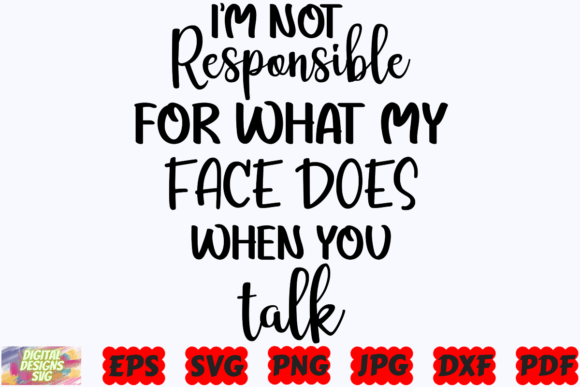
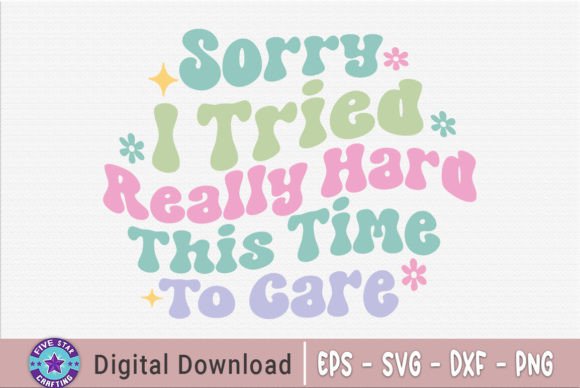
As a designer who has spent countless hours digitizing and stitching out text-based designs, I have developed a keen eye for what works in thread versus what only looks good on a screen. Typography is notoriously difficult in embroidery because every curve and corner must translate into physical stitches without losing legibility or causing puckering. When I first loaded the Sorry I Tried, Sarcastic Quote SVG into my workflow, my primary concern was not just the humor of the phrase, but its structural integrity as a machine embroidery design. The phrase "Sorry I Tried Really Hard This Time To Care" carries a specific mood—dry, relatable, and effortlessly cool. But does the file hold up under the needle?
First Impressions and Visual Personality
The immediate appeal of this Graphics asset lies in its clean, modern aesthetic. It avoids the cluttered, overly decorative fonts that often plague digital marketplaces. Instead, it offers a straightforward layout that prioritizes readability. For an embroidery project, this is crucial. When you are working with a sarcastic quote, the delivery depends entirely on clarity. If the stitching becomes muddy or the letters blend together, the joke is lost.
The design feels versatile. It does not scream for attention with excessive embellishments, which makes it an ideal candidate for minimalist branding or subtle personalization. In the realm of Crafts, simplicity often sells better than complexity because it integrates seamlessly into various home decor styles and fashion trends. The visual personality is understated yet confident, making it suitable for a wide demographic, from millennials buying custom apparel to Gen Z shoppers looking for unique handmade product options.
Real-World Application: The Tote Bag Test
To truly evaluate the Sorry I Tried, Sarcastic Quote SVG, I imagined a common real-life scenario: creating a custom tote bag design for a local craft fair. Tote bags are typically made from canvas or heavy cotton, fabrics that can handle moderate stitch density but require careful hooping to prevent distortion.
In this context, the design performs exceptionally well. The linear nature of the text allows for a clean running stitch or light fill stitch application, depending on the size. I visualized stitching this in a contrasting thread color, such as white thread on a navy blue bag or black thread on a natural beige canvas. The result would be a chic, boutique-style accessory. The sarcasm adds a layer of personality that transforms a generic bag into a conversation starter. For an Etsy seller, this type of item has high perceived value because it combines utility with emotional resonance.
Beyond tote bags, this design is equally effective for sweatshirt embroidery. A crewneck sweatshirt provides a large, flat surface area, allowing the text to breathe. The relaxed fit of modern sweatshirts complements the laid-back attitude of the quote. However, when moving to smaller items like baby embroidery projects or caps, caution is required. The length of the phrase means it may need to be scaled down significantly, which brings us to technical considerations.
Technical Considerations for Stitching
While the artistic merit is clear, the practical execution requires attention to detail. Since the product description notes that you receive multiple file formats including SVG, PNG, EPS, DXF, PDF, and JPG, it is important to understand how these interact with your embroidery software. Most modern digitizing programs can import SVG or DXF files to auto-digitize or serve as a template for manual digitizing. However, auto-digitizing text often results in poor stitch paths.
For best results, I recommend treating this as a reference for manual digitizing or using a specialized font-to-stitch converter if available. Pay close attention to stitch density. Text that is too dense will cause the fabric to pucker, especially on lighter materials like t-shirts or tea towels. On the other hand, if the stitches are too sparse, the background fabric may show through, reducing the impact of the design.
Consider the hoop size carefully. This phrase is relatively long. If you are working with a standard 4x4 inch hoop, you may need to break the design into two lines or reduce the font size to the point where legibility suffers. A 5x7 or 6x10 hoop is far more appropriate for this specific quote, allowing the text to remain large enough to be read from a distance. Always test the design on scrap fabric first. Check how the thread colors interact with the fabric texture. Dark fabrics may require an underlay stitch to ensure the top threads pop, while stretchy fabrics will definitely need a cut-away stabilizer to maintain shape after washing.
Navigating Fabric and Surface Challenges
Not all surfaces are created equal. While this design shines on flat, stable fabrics like canvas, denim, and cotton twill, it presents challenges on curved or textured surfaces. For example, applying this to a embroidered patch is a smart move. Patches allow you to stitch the design on a stable backing before attaching it to the final garment, eliminating issues with fabric stretch or texture. This is particularly useful for caps and hats, where the curved brim can distort long lines of text.
Be cautious with thin or delicate fabrics. The weight of the thread can pull on lightweight rayon or silk, causing unsightly gathering. If you must use it on such materials, consider using a finer thread weight and reducing the overall stitch count. Additionally, avoid placing this design over seams or zippers, as the needle may deflect, leading to broken needles or skewed lettering.
Commercial Viability and Brand Consistency
For small shop product creators and commercial embroidery professionals, the versatility of this design is a major asset. It fits neatly into the "relatable humor" niche, which consistently performs well on platforms like Etsy and Instagram. The key to success here is presentation. Use high-quality printable mockup tools to showcase the design on various products before stitching. Show it on a mug, a pillow cover, and a tote bag to demonstrate its range.
However, always verify the licensing terms. The product description mentions suitability for Cricut and Silhouette, which implies use in cutting and crafting, but commercial rights for selling finished embroidered goods should be explicitly confirmed with the creator. Assuming commercial use is permitted, this design can help build brand consistency. It appeals to customers who value authenticity and humor, helping you cultivate a loyal following who appreciate your curated selection of design assets.
Final Verdict for Designers
The Sorry I Tried, Sarcastic Quote SVG is a strong contender for any designer’s library. It balances trendiness with timelessness, avoiding dated graphics in favor of clean typography. Its success in a finished product relies heavily on proper digitizing techniques, appropriate hoop selection, and thoughtful fabric pairing. By respecting the technical limits of embroidery and leveraging the design’s inherent charm, you can create items that are not only visually appealing but also emotionally engaging. Whether you are making a holiday embroidery gift for a friend or stocking your online store with witty personalized gift options, this design offers a solid foundation for creative expression. Just remember to test, stabilize, and stitch with precision.