Reviewing the Positive Quote SVG for Real Embroidery Projects
As a designer who spends half my life staring at digitized files and the other half pulling bobbins out of tangled messes, I have learned to be skeptical of generic digital assets. We all know the drill: you download a bundle, open the file, and realize the nodes are messy or the scaling is off. However, when I pulled up the Positive Quote SVG for a recent client project, my initial skepticism quickly turned into practical appreciation. This isn’t just another clip-art addition; it is a versatile graphic asset that, with the right preparation, translates beautifully into tangible, stitched goods.
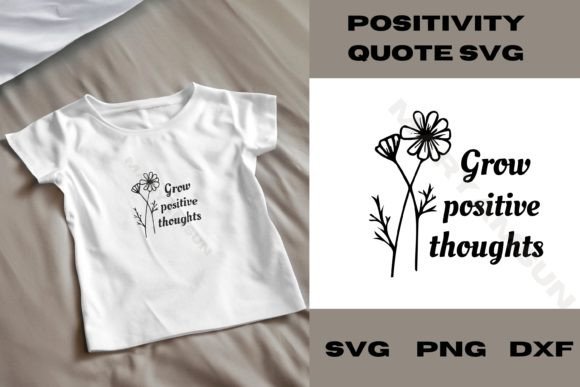
The design centers on the phrase "Grow positive thoughts," accompanied by visual elements that suggest growth and organic movement. From a purely aesthetic standpoint, the mood is uplifting without being cloying. It strikes that difficult balance between modern minimalism and handcrafted warmth. For those of us in the Crafts industry, finding designs that feel authentic rather than mass-produced is key to building a loyal customer base. This file delivers that authenticity, provided you understand how to handle its transition from screen to needle.
First Impressions and Visual Personality
When I first opened the zip archive, I was pleased to see the standard trio of formats: one SVG file, one transparent PNG, and one DXF file, all at a high resolution of 4000x4000px. As an embroidery reviewer, I primarily look at the SVG and DXF for machine conversion, while the PNG is invaluable for creating quick printable mockup previews for social media or Etsy listings. The clarity of the lines in the SVG suggests that the original vector work was done with precision. There are no stray anchor points or jagged edges, which is a good omen for how it will behave when converted into stitch data.
The layout is balanced. The typography is legible but stylized enough to have character. In the world of Graphics, this matters because text-heavy designs often fail when scaled down. Here, the spacing between letters and the accompanying botanical motifs allows for breathing room. This openness is crucial for embroidery, where dense clusters of thread can pull fabric and distort the final look. The visual personality feels grounded and calm, making it an ideal candidate for items meant to provide comfort or inspiration.
Real-World Application: The Tote Bag Test
To truly evaluate a design, you have to imagine it on a physical product. I recently worked on a custom order for a local boutique selling eco-friendly goods. They needed a tote bag design that would appeal to mindfulness enthusiasts. The Positive Quote SVG was a natural fit. I imported the SVG into my embroidery software to digitize it for a 5x7 hoop. Because the design includes both text and illustrative elements, I had to make some strategic decisions about stitch types.
For the lettering, I opted for a clean satin stitch, ensuring the columns were not too wide to prevent snagging. For the leafy accents surrounding the quote, I used a combination of fill stitches and running stitches to create texture without excessive bulk. The result on a heavy canvas tote was striking. The contrast between the crisp white thread and the natural beige fabric made the message pop. It didn’t look like a sticker slapped on; it looked like an integrated part of the bag’s identity. This is the kind of finish that builds trust with buyers. They aren’t just buying a bag; they are buying a handmade product that feels thoughtful and well-executed.
Versatility Across Product Lines
Beyond tote bags, this design shows remarkable versatility. I can easily see it working as sweatshirt embroidery on the chest pocket area or centered on the back. For custom apparel, the scalability of the 4000px source file means you can shrink it down for a subtle left-chest logo or enlarge it for a statement piece. However, context is everything. On a structured cap, the curved surface requires careful hooping and possibly a lighter digitizing approach to avoid puckering. On a soft baby onesie, the design would need to be simplified further, perhaps removing some of the finer details to ensure comfort against sensitive skin.
For Etsy sellers and small shop owners, this asset is a goldmine for seasonal collections. It fits seamlessly into spring launches, Mother’s Day promotions, or mental health awareness campaigns. It also works well for holiday embroidery projects where the focus is on gifting positivity. Whether you are creating an embroidered patch to sell as an accessory or stitching directly onto a pillow cover, the core message remains relevant. The key is adapting the scale and thread colors to match the specific item’s vibe.
Technical Considerations and Pitfalls
While the design is strong, it is not without its challenges. Embroidery is a medium of limitations, and ignoring them leads to disappointing results. Here are a few areas where you need to exercise caution:
- Stitch Density: If you convert this SVG directly without adjusting density, the overlapping areas of leaves and letters could become too thick. Always use your software’s auto-digitize features as a starting point, then manually refine the underlay and top stitches.
- Fabric Texture: On textured fabrics like terry cloth or waffle knit, fine details may get lost. This design performs best on smooth, stable fabrics like cotton twill, linen, or high-quality jersey.
- Small Hoop Sizes: If you are working with a 4x4 hoop, you will likely need to crop or simplify the design. Trying to force the entire composition into a tiny space will result in illegible text and cramped stitching.
- Dark Fabrics: When stitching on dark garments, remember that light thread on dark fabric highlights every imperfection. Ensure your tension is perfect, and consider using a matching underlay to prevent the fabric color from peeking through the satin stitches.
Practical Designer Notes for Best Results
Before you run this design on a customer’s expensive garment, follow these steps to ensure professionalism:
- Test on Scrap Fabric: Never skip the test stitch. Use the same fabric and stabilizer you plan to use for the final product. This reveals any pulling or registration issues.
- Check Thread Contrast: Play with different thread combinations. While green and earth tones are obvious choices for a "grow" theme, don’t be afraid to try monochromatic looks for a modern twist.
- Verify Licensing: The product description mentions it is a digital product including SVG, PNG, and DXF files. However, always double-check the specific license terms regarding commercial use. Can you sell finished physical items? Can you resell the digital file? Clarifying this protects your craft business from legal issues.
- Use Proper Stabilizer: For stretchy fabrics like t-shirts, a cut-away stabilizer is essential to maintain the shape of the design after washing. For woven fabrics, a tear-away might suffice, but test first.
- Mockup in Black and White: Before stitching, view your digitized version in black and white. This helps you see the contrast and structure without the distraction of color, ensuring the design holds up structurally.
Final Verdict
The Positive Quote SVG is a solid addition to any designer’s library. It is not just a pretty picture; it is a functional asset that, when handled with technical skill, elevates the perceived value of the finished product. For commercial embroidery projects, it offers the clarity and emotional resonance that customers look for in personalized gifts. It encourages mindfulness, and in today’s market, that is a powerful selling point.
Whether you are a hobbyist looking to make a special gift for a friend or an Etsy seller aiming to expand your line of inspirational home decor, this design holds up under scrutiny. Just remember that the file is only half the battle. The magic happens in the digitizing, the fabric selection, and the care you put into the stitching process. Treat this design with respect, and it will serve your creative business well.